
Baseline survey: what young people told us
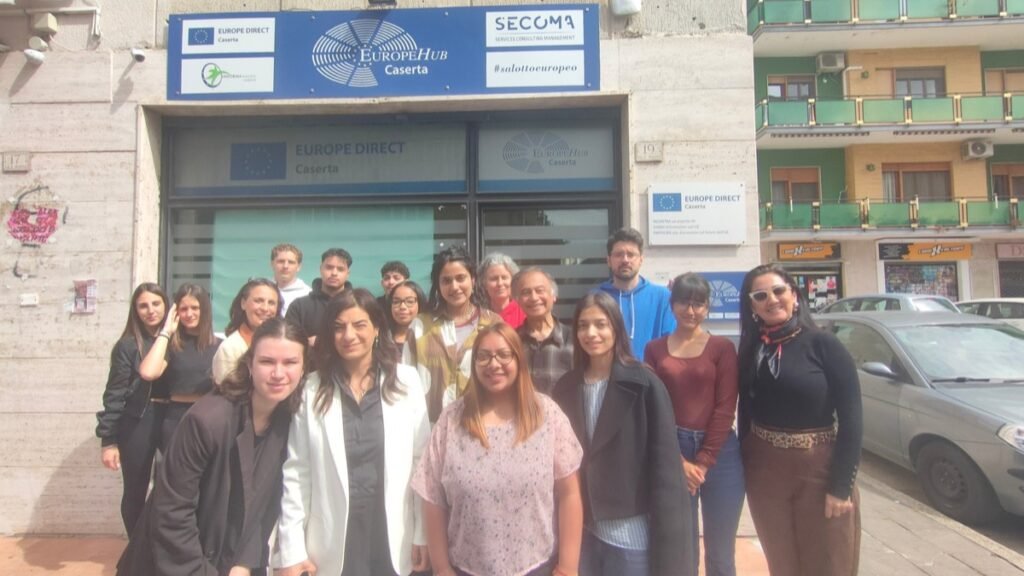
One of the first major milestones was a baseline knowledge survey, designed to assess young people’s personal finance knowledge and their understanding of how money relates to civic and societal responsibilities. It set the benchmark against which the project’s impact would later be measured, and made sure the board game responded to real, identified needs rather than assumed ones.
Key findings
- Personal finance basics: 82.3% average proficiency
- Civic money awareness: 78.7% average proficiency
Young people had a reasonable grip on personal finance, but connecting that finance to society and citizenship was clearly the harder half.
The three biggest knowledge gaps
- Compounding and long-term investing: many did not understand how starting early dramatically affects long-term stability.
- Government budgets and public finance: concepts like budget deficit, and how taxes fund public services, were unclear for many.
- Inflation and purchasing power: participants found it difficult to calculate how inflation erodes real savings over time.
Who needed the most support
Portugal showed the lowest average scores, confirming its priority role for piloting and local activities, with Italy following closely. Unemployed youth and those in part-time work scored below average across the board, underlining the importance of focusing on economically vulnerable groups.
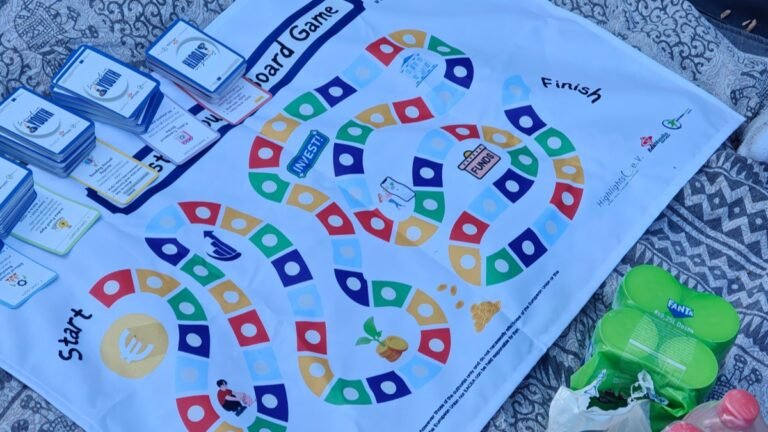
These three gaps went on to shape the board game’s mechanics and scenarios directly.

Funded by the European Union. Views and opinions expressed are however those of the author(s) only and do not necessarily reflect those of the European Union or the European Education and Culture Executive Agency (EACEA). Neither the European Union nor EACEA can be held responsible for them.