
The final EU Webinar brings INVEST IN YOUTH to a close
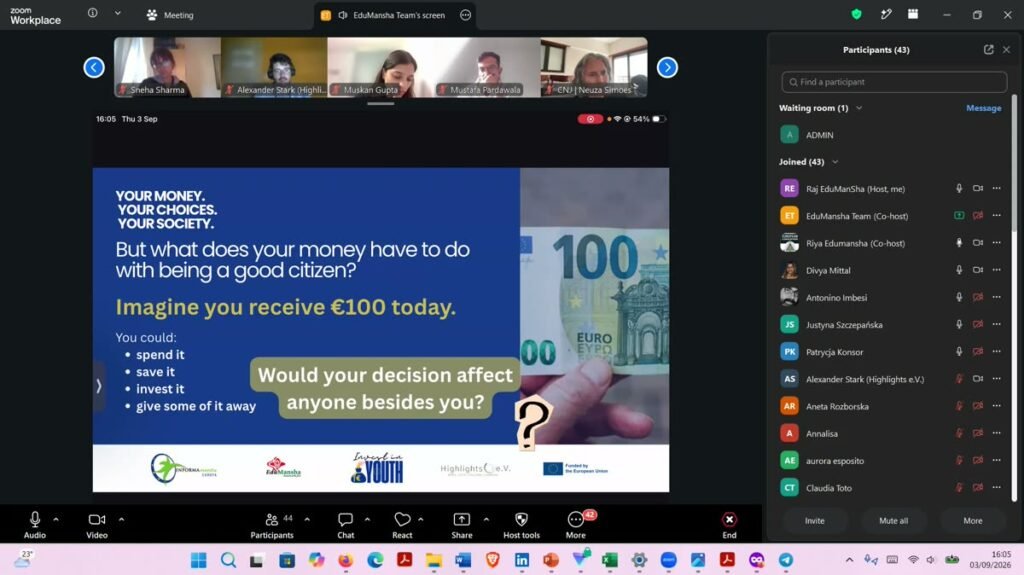
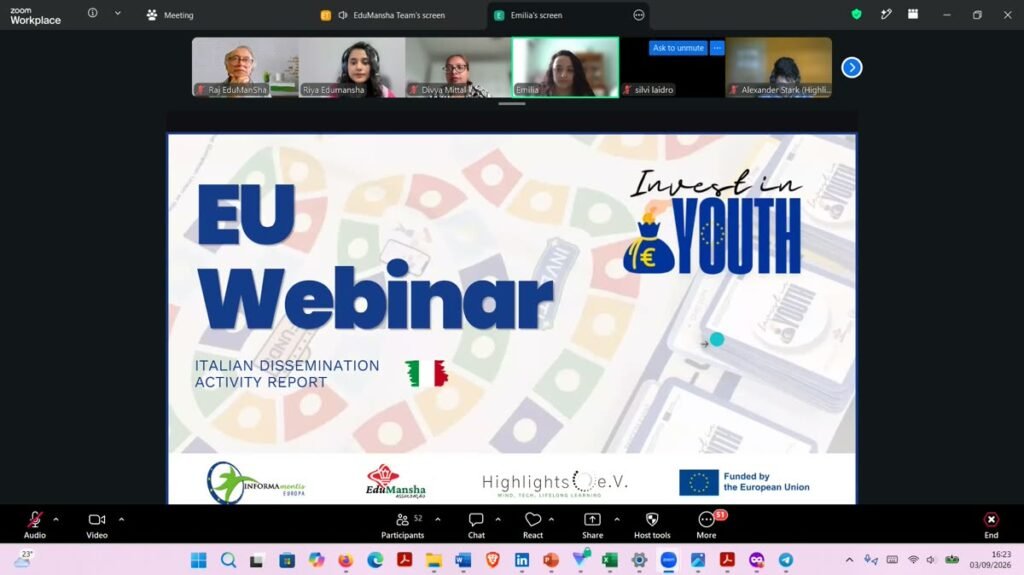
The INVEST IN YOUTH EU Webinar brought the project’s full journey to a close in one final online session, tracing the path from the international training in Italy through local piloting to this closing milestone. More than 50 participants joined.
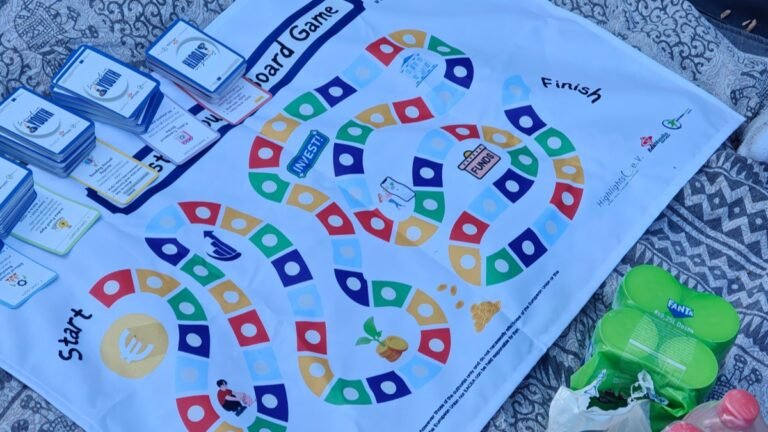
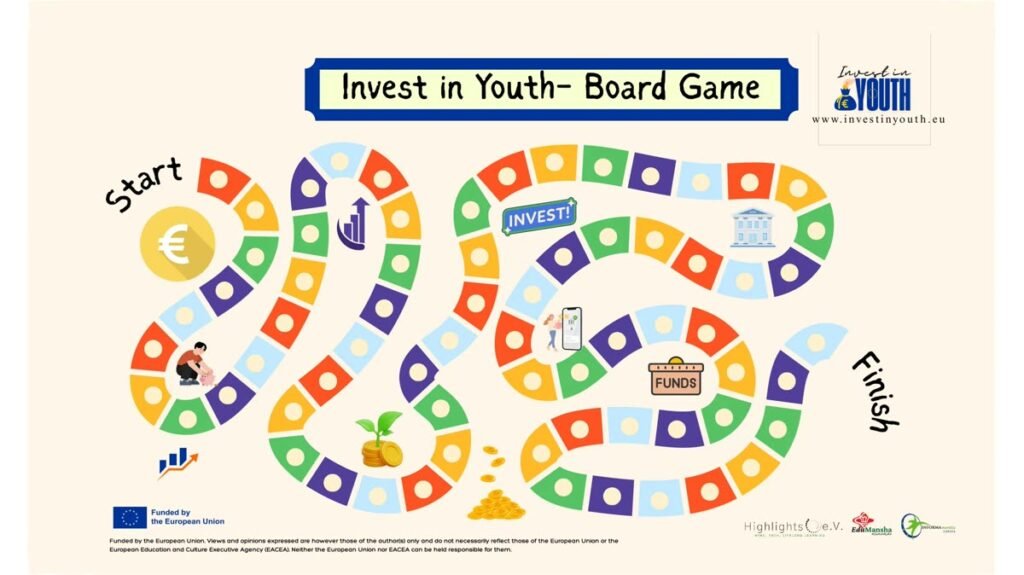
Open to youth workers, educators and anyone interested in financial and civic education, the webinar walked participants through the finished board game and the Finance is Civic guide, and opened the floor for live discussion. It started where the whole project starts: imagine you receive €100 today. Would your decision affect anyone besides you?
What worked
- The length of each game held up in sessions with both small and large groups.
- Simulating real-life scenarios made the game far more immersive than multiple-choice questions.
- The third ethical alternative, beyond a simple right-choice / wrong-choice split, was singled out repeatedly.
- Rules were fast to learn, so players could concentrate on the themes rather than the mechanics.
And what the partners would change
- Groups of every size found the number of cards larger than necessary, and some bonus cards never came into play because the situation never arose.
- Money runs out too quickly, even for players alternating between ethical and cost-effective choices.
- Negative effects are too prominent compared with the chances to recover.
- Some cards carry no consequence either way, whichever option the player picks.
What students and educators noticed
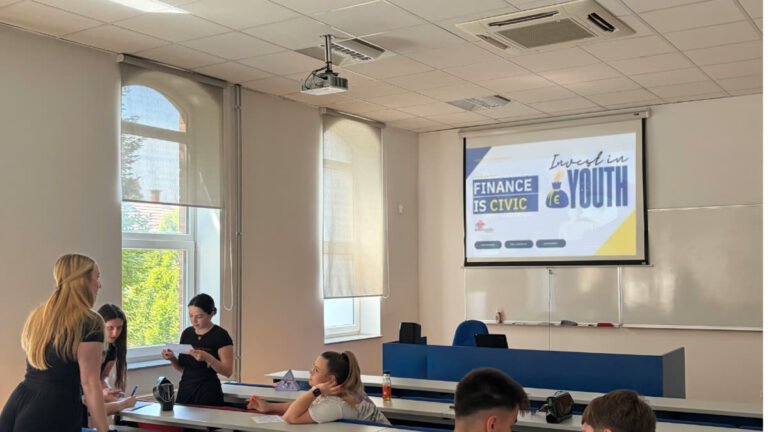
Students were eager to discuss what they had learned with each other, with teachers and with the adults in the room. Their most frequent questions were about the laws and procedures in their own country and region. That is exactly the bridge from personal money to public life the project was built to create.
Educators pointed at the format itself: a game makes complicated or tedious concepts easier to absorb, a physical board encourages social interaction and avoids screen fatigue, and handling cards and pieces helps memory.
Both groups saw the format travelling further than schools: into youth organisations, into adult education for people who never received financial education, and into mobility experiences as a conversation starter across countries.

Funded by the European Union. Views and opinions expressed are however those of the author(s) only and do not necessarily reflect those of the European Union or the European Education and Culture Executive Agency (EACEA). Neither the European Union nor EACEA can be held responsible for them.